Tampa and Fort Myers’ Leading Whole Home Surge Protectors
Surge protection shields your home from sudden electrical spikes. Hawkins Service Company installs whole-home surge protection in Tampa Bay to help safeguard your electronics, appliances, and electrical systems.
Protect Your Home With Whole Home Surge Suppressors
Whole-home surge protectors are an often-overlooked component of a safe and efficient home. As we increase the number of electronic devices and appliances we use daily, the need to protect our homes from electrical surges becomes more critical. Hawkins Service Company has provided top-notch whole-house surge protectors to the Tampa Bay and Riverview, FL areas for many years. With a fully licensed team boasting hundreds of years of combined experience, we are your one-stop shop for most residential home service needs. To learn more about our services or to schedule your consultation, give us a call today.
A whole-home surge protector is installed in your electrical panel to prevent sudden spikes in voltage from damaging your appliances and electronics. Unlike regular surge protectors, which only shield the devices plugged into them, whole-home surge protectors provide coverage for your entire house. This includes every outlet, appliance, and electrical equipment, offering complete protection no matter where the surge originates. Some additional benefits of installing a whole-home surge protector include increased safety and peace of mind. By preventing potential damage to your appliances and electronics, you reduce the risk of electrical fires. This not only protects your property but also ensures the safety of your family.
Here is a look at common causes of electrical surges:
Lightning Strikes: One of the most powerful sources of electrical surges, a lightning strike near a power line can generate a sudden spike in voltage that can cause severe damage.
Power Outages: When power is restored after an outage, it can often come back with a surge, a sudden increase in voltage that can harm electronic devices.
High-Power Electrical Devices: Appliances like refrigerators and air conditioners require a lot of power to operate. When these devices turn on and off, they can cause minor surges.
Faulty Wiring: Aged, damaged, or poor-quality wiring can increase the risk of power surges.
Power Line Maintenance: Surges can occur when power companies perform maintenance or upgrades on the electrical grid.
How Does a Surge Protector Work?
A surge protector is a gatekeeper, monitoring the electrical current flowing into your home. When a voltage spike occurs, the surge protector detects the excess energy and redirects it to the ground, preventing it from entering your home’s electrical circuit. This quick and efficient process helps to safeguard your electrical appliances and systems from damage. Additionally, whole-home surge protectors are more cost-effective than buying individual surge protectors for each outlet and device. They also require minimal maintenance and a long lifespan, providing continuous protection for your home.
Read More +
Why Is Surge Protection Important?
Surge protection is not just about safeguarding your electronics. It’s about protecting your home and your peace of mind. A surge, even if minor, can cause severe damage to the sensitive electronics inside appliances and other devices, reducing their efficiency or causing them to no longer work. Installing a surge protector ensures your devices are shielded from these harmful voltage spikes. This ensures their durability and performance. Plus, it eliminates the potential hazards that surges can cause, such as electrical fires, offering an additional layer of security for your home.
Signs That Your Home Is at Risk for a Power Surge
While power surges can occur without warning, certain signs may indicate your home is at risk. We’ve compiled a list of some of the most common indications of a possible power surge. If you notice any of these, give us a call. We’ll inspect your home’s electrical system, identify any possible concerns, and recommend the upgrades you need to regain your peace of mind.
Here are some signs that your home may be at risk for a power surge:
Frequent Electrical Flickering or Dimming: If you notice your lights flickering or dimming regularly, it could indicate unstable electrical currents, leading to power surges.
Circuit Breakers Tripping Frequently: When circuit breakers trip often, it indicates an excessive flow of electricity, potentially caused by power surges.
Outdated or Faulty Wiring: Older homes or outdated wiring systems may be more susceptible to power surges. Faulty wiring can cause fluctuations in the electrical supply, increasing the risk of surges.
Nearby Lightning Activity: If your area experiences frequent thunderstorms or is prone to lightning strikes, your home is at a higher risk of power surges. Lightning-induced surges can travel through power lines and damage connected devices.
Presence of Power-Hungry Appliances: Appliances such as air conditioners, refrigerators, and large electronics consume significant power. When these devices turn on or off, they can create power spikes that may lead to surges.
Get in Touch Today for Complete Home Safety
Don’t leave your home’s safety to chance. Trust Hawkins Service Company, your one-stop shop for most of your residential service needs in the Tampa Bay and Riverview, FL area. With hundreds of years of combined experience, our fully licensed team is ready to install whole-home surge protectors to protect your home and give you peace of mind. To learn more about our services or how we can help you protect your home from unexpected surges, give us a call today.
Issue: Pool water bubbles in returns when pool pump comes on each day and noise (I.e air) in returns during day. Nathan was able to diagnose the issue noting strainer lid has a crack and depressurization of pool filter due to age, requiring a new filter. Nathan did a very thorough diagnosis including closure of certain water leaks in piping. Nathan also provided good communication regarding arrival time (timely actual arrival).
Keep your home running at peak performance with priority service and exclusive discounts on repairs and installations. Learn more about how our Home Protection Plan can safeguard your systems, provide peace of mind, & help avoid costly surprises.
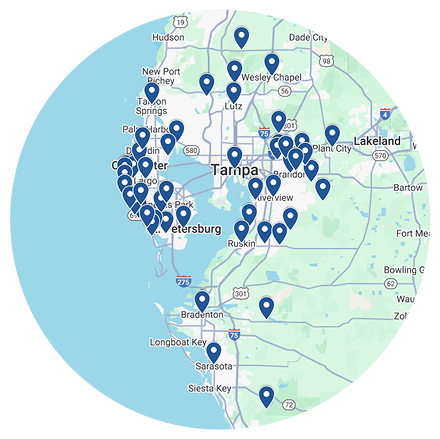
Hawkins Service Company has served Tampa Bay and the surrounding area for over 30 years. View our full service area and reach out today when you need our services!

 Peace of Mind
  Property Protection
  No Frustration
  No Surprises
  On-Time Installation
  No Lemons
  Comfort Guaranteed
  No Risk