
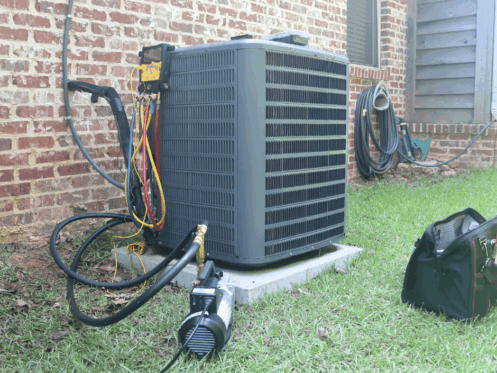
In Florida, “cooling season” is not just a few months of the year; it is a way of life that begins in early spring and stretches well into autumn. Our air conditioning units endure some of the highest runtimes in the country, often battling 90% humidity and salt-heavy air simultaneously. Because demand is so relentless, even a slight inefficiency can lead to staggering utility bills and an early mechanical breakdown.
In this blog, we will outline the essential steps every Florida homeowner should take to prepare their system for the upcoming heat. Taking the time to perform a thorough pre-season check ensures that your home remains a sanctuary against the tropical elements.
Clearing the Condensate Line: Preventing the Mid-Summer Backup
In the high humidity of Florida, your air conditioner does more than just cool the air; it acts as a massive dehumidifier. This process pulls gallons of water out of your home’s atmosphere every single day, which must then exit through a narrow condensate drain line. Over the winter, stagnant water and dust in this line can lead to the growth of algae or “slime,” which eventually creates a stubborn clog.
If this line is not cleared before the cooling season peaks, the water will back up into your home, potentially causing ceiling damage or triggering a safety shut-off that leaves you without AC. Incorporating drain line care into your regular AC maintenance is the best way to avoid a messy and poorly timed shutdown. To keep your condensate system flowing freely, follow these proactive steps:
- Locating the Access Point: Identifying the PVC “T” pipe near your indoor air handler, which is usually where you can access the drain line.
- The Vinegar Flush: Pouring a cup of distilled white vinegar down the line to kill algae and prevent the buildup of biological “sludge.”
- Checking the Drain Pan: Inspecting the emergency overflow pan for standing water, a primary indicator of a slow-moving main drain.
- Testing the Float Switch: Gently lifting the safety float switch to ensure it instantly shuts off the system, preventing a flood if a clog occurs.
- Clearing the Exit Point: Finding where the drain line exits your home (usually near the outdoor unit) and ensuring it is not buried in mulch or dirt.
- Suctioning the Line: Using a wet/dry vacuum at the exterior end of the pipe to remove established clogs or debris that a flush cannot dislodge.
- Verifying Flow: Running the system for an hour and checking the outdoor exit point to ensure a steady drip of water is visible.
Addressing the drain line early prevents one of the most common causes of service calls in Florida. A clear path for moisture ensures your system can focus on what it does best: keeping you comfortable.
Outdoor Unit Care: Fighting Salt Air and Debris
For Florida homeowners, especially those in the Tampa Bay area and along the Gulf Coast, the outdoor condenser unit is constantly battling. The combination of salt-laden air, high humidity, and intense ultraviolet radiation can lead to rapid corrosion of the aluminum fins and copper tubing. Furthermore, the lush Florida landscape means that grass clippings, sand, and fallen leaves can easily become lodged in the unit, choking off the airflow necessary to release heat from your home.
Neglecting the exterior portion of your system forces the compressor to operate at higher temperatures, significantly increasing energy consumption and shortening the unit’s lifespan. Dedicated AC maintenance for the outdoor unit is essential for maintaining efficiency in our tropical environment. To protect your condenser from the Florida elements, follow these cleaning and care steps:
- Gentle Coil Rinsing: Using a garden hose with low pressure to wash away salt spray and dust from the condenser fins at least once a month.
- Maintaining Clearances: Trimming back hibiscus, palms, and other tropical foliage to maintain at least two feet of open space around all sides of the unit.
- Removing Debris: Checking the base of the unit for accumulated sand or mulch that can hold moisture against the metal and accelerate rust.
- Inspecting the Fan Blade: Looking for any chips or imbalances in the outdoor fan that could cause vibration damage during long runtimes.
- Checking Insulation: Ensuring the foam pipe insulation on the suction line is intact to prevent energy loss and “sweating” in the Florida sun.
- Leveling the Pad: Verifying that the concrete or plastic pad hasn’t shifted in the sandy soil, as an unlevel unit can cause oil to settle improperly in the compressor.
- Applying Protectant: Consulting with a professional about specialized anti-corrosive coatings for the coils to guard against salt air.
By keeping the outdoor unit clean and clear, you allow it to “breathe” efficiently. This simple upkeep reduces the workload on your system and helps it survive the relentless heat of a Florida July.
Optimizing Airflow: Filters and Duct Integrity
In a climate where your air conditioner runs almost constantly, airflow is the lifeblood of your home’s comfort. In Florida, dusty windows and high pollen counts can quickly clog even the best air filters, forcing your blower motor to work harder than it needs to. When airflow is restricted, your evaporator coil can drop below freezing, leading to a “frozen” system that stops cooling entirely. Ensuring your internal system is unobstructed is a core component of AC maintenance that every homeowner can manage.
Beyond the filter, the integrity of your ductwork is crucial in our humid environment. Florida attics can reach temperatures of 140 degrees; even a small leak in your ducts can pull in that sweltering, humid air or allow your expensive “coolth” to escape into the rafters. To ensure your airflow is optimized for the long season ahead, focus on these internal checks:
- High-Frequency Filter Changes: Stepping up to a 30-day replacement schedule during the peak Florida summer to ensure unrestricted air movement.
- Inspecting Supply Vents: Ensuring that furniture, curtains, or rugs are not blocking the registers, which can cause pressure imbalances in the system.
- Cleaning Return Grilles: Vacuuming the dust and pet dander from the large intake vents to prevent them from being pulled directly into the coil.
- Checking for Duct Leaks: Looking for disconnected sections or “kinks” in flexible ducting in the attic that might be restricting flow to certain rooms.
- Sealing Air Gaps: Using foil tape or mastic to seal small leaks around the air handler cabinet where unconditioned attic air might be entering the system.
- Verifying Blower Operation: Listening for any unusual squealing or rattling sounds that indicate the blower motor is struggling or out of balance.
- Managing Humidity Settings: Ensuring your thermostat or humidistat is set to “Auto” rather than “On” to allow moisture to drain properly during the off-cycle.
By maintaining high airflow, you protect your compressor from “slugging” and ensure that every dollar you spend on electricity actually reaches your living space.
The Strategic Advantage of Professional AC Tuning
While homeowner checks are the first line of defense, a Florida cooling season requires a level of precision that only professional tools can provide. At Hawkins Service Co., we perform comprehensive diagnostics that go beyond the surface. We check refrigerant “sub-cooling” and “super-heat” levels, which are critical for ensuring your unit doesn’t overheat during a 95-degree afternoon.
In the Tampa Bay area, a professional AC maintenance visit is an investment in your home’s long-term value. Our technicians provide several advanced services that keep your system “Florida-strong”:
- Electrical Component Testing: Measuring the “microfarads” in your capacitors to identify a failing part before it leaves you in a hot house on a Sunday.
- Deep Coil Cleaning: Using specialized, non-corrosive foaming cleaners to remove deeply embedded dirt that a garden hose cannot reach.
- Performance Analysis: Providing a clear report on your system’s efficiency, helping you decide when a repair is no longer the most cost-effective option.
Stay Cool All Year with Expert Florida Care
Preparing your AC for the Florida heat is an annual tradition that pays for itself in lower utility bills and fewer emergency repairs. By clearing your drains, protecting your outdoor unit, and ensuring peak airflow, you are setting your system up for success.
Hawkins Service Co. is proud to be the trusted partner for Florida homeowners who value reliability and expertise. Don’t wait for the first major heatwave to test your system. Contact us today to schedule your pre-season AC tune-up and experience the peace of mind that comes with a professionally maintained home.
FAQ: Florida AC Performance
Why does my AC struggle to keep my Florida home at 72 degrees in the afternoon?
In Florida, most AC systems are designed to maintain a 20-degree difference from the outside temperature. On a 95-degree day, reaching 72 degrees is a heavy lift that requires perfect system efficiency and home insulation.
Is it normal for my AC to run for several hours at a time?
Yes. In high-humidity environments, longer run cycles are often necessary to remove moisture from the air. If the system is cooling effectively and your bills are stable, long cycles are actually better for the equipment than frequent “short cycling.”
How often should I have my AC professionally serviced in Florida?
Due to the high runtime, we recommend professional maintenance twice a year: once in early spring to prepare for summer and once in the fall to ensure everything survives the peak heat.
What is the “slime” in my AC drain line?
It is usually a combination of algae, bacteria, and dust. In the warm, wet environment of an AC drain, these organisms flourish and can quickly create a gelatinous clog that blocks the pipe.
Does a higher SEER rating really matter in Florida?
Absolutely. Because our cooling season is so long, the energy savings from a high-efficiency (SEER2) system are much more significant here than in northern states, often paying for the upgrade cost in just a few years.
