
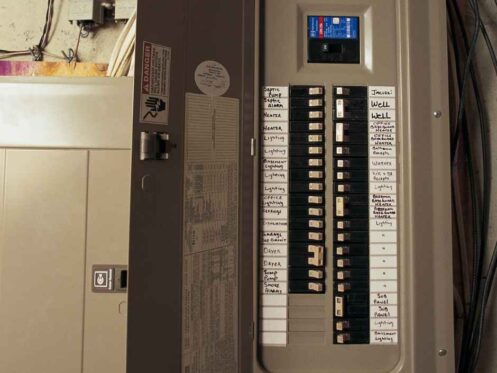
The modern Florida home looks vastly different from what it did even twenty years ago. In 2026, our households are powered by an array of high-draw devices that were once considered futuristic, from electric vehicle charging stations and high-speed smart appliances to powerful HVAC systems that run nearly year-round. While our technology has advanced rapidly, the electrical panel, the heart of your home’s power distribution, is often the most neglected component of the property. An aging panel is not just an inconvenience; it is a significant safety hazard that can lead to electrical fires or expensive damage to your sensitive electronics.
In this blog, we will examine the warning signs that indicate your electrical panel is struggling to keep up with the electrical load of a contemporary lifestyle. Recognizing these symptoms early allows you to take action before a minor flickering light becomes a major emergency.
The Dangerous Legacy: Identifying Obsolete Panel Brands
Before looking at how your home performs, you should first identify the panel’s brand. In Florida, many homes built between the 1950s and the 1980s were equipped with specific brands that are now known to be defective. These panels, such as Federal Pacific Electric (FPE) and Zinsco, were once industry standards but have since been proven to have high failure rates. The circuit breakers in these units may fail to “trip” during an overload, which allows the wires to overheat and potentially start a fire.
Identifying these legacy brands is a critical first step in your electrical maintenance routine. If you find one of these names on your service door, the panel should be replaced regardless of whether you have noticed performance issues. To determine if your panel falls into a high-risk category, look for these specific identifying marks:
- The FPE Stab-Lok Label: Finding the words “Stab-Lok” or the Federal Pacific Electric logo on the interior or exterior of the metal box.
- Red-Tipped Zinsco Breakers: Noticing breakers with distinct red, blue, or green handles, which are characteristic of the Zinsco and GTE Sylvania lines.
- Challenger Brand Panels: Identifying the Challenger name on the bus bar or the main label, as certain models are prone to overheating at the connection points.
- Aluminum Wiring Labels: Seeing “AL” or “CU/AL” on the panel stickers, which indicates the system was designed during the era of aluminum branch wiring.
- Split-Bus Designs: Observing a panel that does not have a single “Main” shut-off but instead uses several breakers to control the entire house.
- Corroded Bus Bars: Looking for “pitting” or white powdery deposits on the metal bars that hold the breakers, which is common in humid Florida environments.
- Melted Plastic Components: Finding any signs of discolored or deformed plastic around the base of the circuit breakers.
Even if these panels seem to be working, their internal safety mechanisms are often compromised by age and outdated engineering. Replacing an obsolete brand is the only way to ensure your home meets modern safety standards.
The Symptoms of an Overloaded System
Aside from the brand name, the most common indicator of an aging panel is its response to your daily power usage. Many older Florida homes were built with 60-amp or 100-amp service, which was sufficient when the most demanding appliance was a refrigerator. Today, a single high-efficiency heat pump or an electric range can consume a significant portion of that capacity on its own. When your electrical panel is pushed beyond its intended limits, it begins to exhibit physical and operational symptoms.
These red flags often appear when you try to use multiple appliances simultaneously. Consistent electrical maintenance involves paying attention to these small “glitches” before they lead to a total system failure. Watch for these specific signs that your current panel is overwhelmed by your household demand:
- Frequent Breaker Tripping: Noticing that a specific circuit shuts off every time you use a hair dryer, toaster, or vacuum cleaner.
- Flickering or Dimming Lights: Observing the lights lose brightness momentarily when the air conditioner compressor kicks on or the microwave starts.
- Internal Crackling Noises: Hearing a faint “hissing” or “popping” sound coming from inside the electrical panel box.
- Warm Panel Cover: Feeling heat when you touch the metal door of your electrical panel indicates resistance and potential wire damage inside.
- Acrid Burning Smells: Detecting a plastic or ozone scent near the panel is a sign that wire insulation is melting due to excessive heat.
- Visible Discoloration: Finding “scorch marks” or dark carbon deposits around the edges of specific breakers or on the bus bar.
- The Need for Power Strips: Relying heavily on extension cords and multi-plug adapters because your panel cannot support the installation of new, dedicated outlets.
An overloaded panel is essentially a bottleneck for your home’s energy. When you ignore these symptoms, you are not just dealing with an inconvenience; you are allowing heat to build up within your walls, which is the primary cause of residential electrical fires.
Modern Upgrades: EVs, Smart Homes, and 200-Amp Service
As we move through 2026, the shift toward total home electrification has accelerated. In Florida, the growing popularity of Electric Vehicles (EVs) is a major driver for electrical upgrades. A Level 2 home charging station requires a dedicated 40-amp to 60-amp circuit, which can represent nearly half of the total capacity of an older 100-amp panel. Without a service upgrade, attempting to charge a vehicle while running the air conditioner can easily exceed the safe operating limits of your home’s infrastructure.
A modern 200-amp panel is the new gold standard for Florida households. This increased capacity provides the “headroom” necessary to support high-tech upgrades without straining the system. Integrating electrical maintenance with a capacity audit is the best way to determine if your home is ready for these modern advancements:
- Level 2 EV Charging: Installing the necessary high-voltage infrastructure to charge your vehicle overnight without tripping the main breaker.
- Whole-Home Surge Protection: Adding a dedicated device at the panel level to protect expensive smart appliances and computers from Florida’s frequent lightning strikes.
- Tankless Water Heaters: Supporting the massive, instantaneous power draw required by electric tankless units, which provide endless hot water but demand high amperage.
- Smart Panel Integration: Upgrading to “intelligent” panels that allow you to monitor energy usage per circuit and shed non-essential loads during a power outage.
- Dedicated Home Office Circuits: Providing clean, stable power to high-end workstations and server setups that are sensitive to voltage fluctuations.
- Modern Kitchen Suites: Powering induction cooktops and steam ovens that require significantly more energy than older coil-based appliances.
- Pool and Spa Equipment: Ensuring your pool pump, heater, and salt-cell generator have the dedicated power they need to keep your outdoor oasis running.
Investing in a 200-amp service upgrade ensures that your home is future-proofed. It allows you to add the latest technology and comforts to your life without the constant worry of an electrical failure or fire.
The Strategic Advantage of a Professional Load Calculation
Determining if your panel is too old or undersized is not a matter of guesswork. At Hawkins Service Co., we perform professional load calculations in accordance with the National Electrical Code (NEC) to determine exactly how much power your home consumes at peak times. We look at your square footage, existing appliances, and future plans to provide a data-driven recommendation.
In the Tampa Bay area, a professional electrical maintenance visit provides the clarity you need to make an informed decision. Choosing a professional upgrade offers several key benefits:
- Permit and Code Compliance: Ensuring your new panel meets all local Florida building codes and passes the required safety inspections.
- Clean Installation: Replacing messy, tangled wiring with a clearly labeled and organized panel that makes future troubleshooting much easier.
- Enhanced Property Value: Providing documentation of a modern electrical system, which is a major selling point for potential buyers and an asset for insurance premiums.
Power Your Florida Home with Confidence
Your electrical panel is the foundation of your home’s functionality and safety. By recognizing the signs of an aging or overloaded system, you can protect your family and your expensive electronics from avoidable harm.
Hawkins Service Co. is dedicated to providing honest assessments and expert installations for homeowners throughout Florida. If you are experiencing flickering lights or still have an obsolete brand in your garage, contact us today for a professional electrical evaluation and take the first step toward a safer, more powerful home.
