
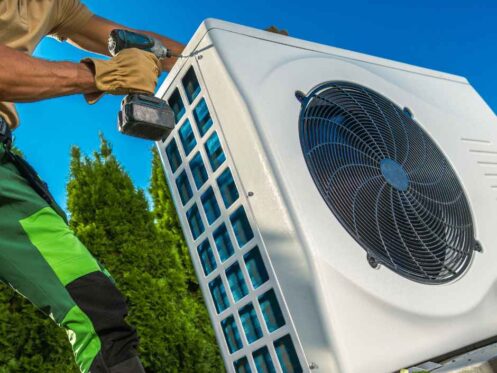
Your heat pump may spend most of the year cooling your Fort Myers home, making it easy to forget it also needs to be ready for heating season. The first cooler morning of fall is not the ideal time to discover the system will not switch modes, airflow is weak, or the thermostat isn’t responding correctly.
Fall maintenance gives homeowners a chance to check heating operation while the weather is still relatively mild. That can make it easier to spot developing problems before you rely on the system for overnight or early-morning comfort.
In this guide, we’ll explain why fall heat pump maintenance matters in Fort Myers, what a professional tune-up can include, which warning signs deserve attention, and what homeowners can safely do between service visits. The goal is to ensure your system is ready to transition from cooling to heating when temperatures begin to dip.
Why Does a Heat Pump Need Fall Maintenance in Fort Myers?
A heat pump works year-round, so it doesn’t truly get an off-season like some heating systems do. After months of cooling, fall is a good time to evaluate the system before asking it to do the opposite job.
Professional maintenance can help identify concerns involving:
- Airflow
- Thermostat operation
- Electrical components
- Refrigerant performance
- Coils
- Blower operation
- Reversing operation
- Condensate drainage
- Outdoor-unit condition
- Overall heating performance
A tune-up cannot guarantee that a heat pump will never break down. It can, however, give you a better picture of the system’s condition before the first stretch of cooler weather makes heating performance more important.
How Does a Heat Pump Switch From Cooling to Heating?
A heat pump doesn’t create heat the same way a traditional furnace does. Instead, it moves heat from one place to another and changes direction depending on whether the home needs cooling or heating.
In cooling mode, the system moves heat out of the house. In heating mode, it reverses that process and transfers available heat indoors.
That change depends on several components working correctly, including controls and the system’s reversing operation. That is why a heat pump can cool normally all summer yet still have problems when it finally switches to heating mode.
What Should Be Included in a Fall Heat Pump Tune-Up?
The exact maintenance process depends on the equipment, manufacturer, and the system’s condition. A professional tune-up generally focuses on inspecting key components and confirming that the heat pump operates properly in heating mode.
Service may include checking:
- Thermostat settings and communication
- Air filter condition
- Supply and return airflow
- Blower operation
- Indoor and outdoor coils
- Electrical connections and components
- Refrigerant-related performance
- Reversing operation
- Condensate drainage
- Outdoor-unit condition
- Heating cycles
- Unusual sounds or vibration
The goal isn’t simply to turn the thermostat to heat and confirm the system starts. A complete evaluation should look at how the equipment is operating and whether any developing issue could affect comfort or reliability.
Why Should You Test Heating Mode Before You Actually Need It?
Testing the heat pump during mild fall weather gives you time to identify problems before a cooler night makes them urgent. If the system does not switch modes properly, blows unexpectedly cold air, or cycles abnormally, you can schedule service without waiting for a complete loss of heat.
Watch for issues such as:
- Delayed startup
- Weak airflow
- Unusual noises
- Unexpected odors
- Short cycling
- Failure to switch into heating mode
- Uneven temperatures
- Repeated shutdowns
A brief odor when the heat runs for the first time after a long cooling season can sometimes be related to dust, but don’t ignore persistent or strong odors. If anything smells like burning electrical material or another serious problem, turn the system off and have it evaluated.
Can Dirty Filters and Airflow Problems Affect Heat Pump Performance?
Yes. Heat pumps depend on proper airflow in both heating and cooling modes, so restricted airflow can affect comfort and system performance year-round.
Common airflow problems can involve:
- Dirty air filters
- Blocked return vents
- Closed supply registers
- Dirty blower components
- Duct restrictions
- Blower motor problems
- Dirty coils
Homeowners may notice weak airflow, longer cycles, uneven temperatures, or rooms that are harder to heat. These symptoms can overlap with other HVAC problems, which is why a full system evaluation is more useful than assuming the filter is the only issue.
Checking the filter is one of the safest homeowner maintenance steps. An HVAC professional should handle deeper airflow problems involving ductwork, blower components, or coils.
Why Do the Indoor and Outdoor Coils Matter in Fall?
Heat pumps rely on heat transfer, and clean coils help that process happen effectively. Dirt and debris can reduce the system’s ability to move heat where it needs to go.
The outdoor unit is especially exposed to:
- Leaves
- Grass clippings
- Yard debris
- Dirt
- Vegetation growing too close to the equipment
Homeowners can safely keep the area around the outdoor unit clear and unobstructed. Leave internal coil cleaning or deeper equipment service to a professional, especially if buildup is difficult to reach.
Can Thermostat Settings Cause Heat Pump Problems?
Sometimes the problem isn’t the heat pump itself, but the controls telling it what to do. Incorrect thermostat settings, schedule changes, communication issues, or dead batteries on applicable thermostats can create confusing symptoms.
Before calling for service, homeowners can safely check:
- Whether the thermostat is set to heat
- Whether the temperature setting is above room temperature
- Whether schedules have changed
- Whether batteries need replacement
- Whether the display is operating normally
If the thermostat appears to be working but the heat pump still will not switch modes or maintain temperature, have a professional inspect the system. Controls can be part of the problem, but they are only one piece of the heating system.
What Heat Pump Warning Signs Should You Watch for This Fall?
Some symptoms suggest that your heat pump needs more than routine maintenance. Watch for changes in operation, especially if they appear when you use heat for the first time.
Warning signs include:
- Weak or inconsistent heating
- Frequent cycling
- Repeated shutdowns
- Unusual rattling, grinding, or buzzing
- Ice where it does not normally belong
- Weak airflow
- Unexpectedly high energy use
- Difficulty switching between cooling and heating
- Large temperature differences between rooms
- Repeated reliance on auxiliary heat
One symptom does not always identify the exact cause. Together, several of these issues are a stronger sign that the system needs professional diagnosis.
Is It Normal for a Heat Pump to Blow Cooler Air Than a Furnace?
Yes. Heat pump supply air can feel less intensely hot than air from a traditional furnace, even when the system is heating the home properly.
A furnace may deliver noticeably hot air in shorter cycles, while a heat pump often provides steadier, gentler warmth over longer periods. That difference can make the air from the vents feel lukewarm by comparison.
The important question is whether the home is actually reaching and maintaining the thermostat setting. If the system runs continuously and the temperature keeps falling, that is different from normal heat-pump operation and should be evaluated.
What About Auxiliary or Emergency Heat?
Many heat pump systems include supplemental heating that can assist under certain operating conditions. Depending on the system, auxiliary heat may activate automatically when the heat pump needs additional help meeting demand.
Emergency heat differs because it is generally a manual setting intended for situations when the heat pump cannot operate normally. Don’t treat it as the default heating mode.
Frequent or unexplained auxiliary heat use can signal an issue that deserves attention. The issue may involve controls, system performance, outdoor conditions, or another equipment problem.
What Can Fort Myers Homeowners Do Between Professional Tune-Ups?
Homeowners can take several simple steps to support heat pump performance without opening equipment or attempting repairs. These habits can help you spot developing problems earlier and keep airflow unobstructed.
You can:
- Check or replace filters as recommended
- Keep supply and return vents open and clear
- Remove leaves and debris around the outdoor unit
- Keep vegetation from crowding the equipment
- Test heating mode before cooler weather arrives
- Watch for unusual noises or odors
- Pay attention to changes in airflow
- Monitor whether the thermostat is maintaining temperature
- Schedule service when symptoms repeatedly return
Avoid DIY repairs involving refrigerant, electrical components, internal controls, or sealed equipment. If the system is not behaving normally, professional diagnosis is safer and more effective.
When Should You Call for Heat Pump Service?
Call for service when the system is no longer heating reliably or when you notice a clear change in performance. Waiting until the heat pump stops working completely can turn a manageable issue into a more disruptive repair.
Professional attention is especially important when:
- The heat pump will not switch to heating mode
- Airflow is consistently weak
- The system frequently starts and stops
- Unusual noises continue
- Ice develops unexpectedly
- Auxiliary heat runs excessively
- The thermostat setting cannot be maintained
- Energy use rises without an obvious reason
These symptoms can come from different causes, so diagnose the issue before recommending replacement or major repairs. A technician can evaluate the system as a whole and identify what’s affecting performance.
Get Your Heat Pump Ready for Cooler Weather With Hawkins Service Co.
Fort Myers may not experience the same kind of winter as colder parts of the country, but that doesn’t mean you can ignore your heat pump when the seasons change. A system that has spent months cooling your home still needs to switch smoothly into heating mode when temperatures drop.
Fall maintenance gives you a chance to check airflow, controls, coils, electrical components, reversing operation, and overall heating performance before you are relying on the system for comfort. Catching a problem early can make it easier to address before the first truly chilly morning arrives.
Hawkins Service Co. can inspect your heat pump, perform seasonal maintenance, and diagnose heating problems before they become more disruptive. If your system is due for service or you want to make sure it is ready for Fort Myers’ cooler season, contact us today to schedule professional heat pump maintenance.