
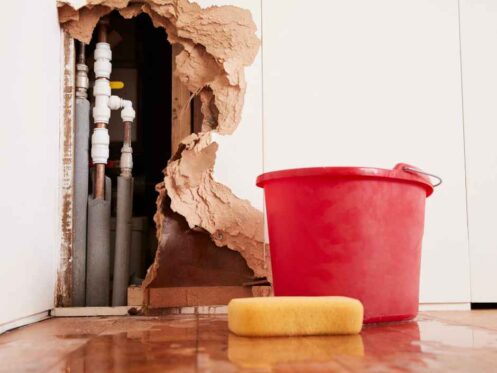
Opening your monthly water bill and discovering an unexpected increase can be frustrating, especially when your household’s water usage hasn’t changed. For homeowners in Dunedin, Florida, a sudden spike in water costs might be caused by anything from increased irrigation to a hidden plumbing leak. While some explanations are relatively simple, others may indicate a problem that deserves immediate attention.
Hidden water leaks can develop behind walls, beneath concrete foundations, or along underground water lines without producing obvious warning signs. Over time, even a relatively small leak can waste substantial amounts of water and potentially cause expensive property damage.
In this guide, we’ll explain why water bills suddenly increase, where hidden leaks commonly develop, how to check your home for potential plumbing problems, and when professional leak detection may be necessary.
Why Is Your Water Bill Higher Than Normal?
An unusually high water bill doesn’t automatically mean your home has a plumbing leak. Several factors can affect monthly water costs, including changes in household consumption, outdoor water use, and utility billing practices.
For Dunedin homeowners, irrigation systems, landscaping, and outdoor maintenance can increase water usage throughout the year. Additional guests, more frequent laundry, or changes in daily routines may also explain higher consumption.
Common reasons water bills increase include:
- Increased household usage: Additional occupants or changes in daily water consumption.
- Irrigation activity: Sprinklers operating more frequently or for longer periods.
- Running toilets: Worn components allowing water to flow continuously.
- Leaking fixtures: Dripping faucets or damaged plumbing connections.
- Underground leaks: Water escaping from buried supply lines.
- Pool maintenance: Additional filling or water replacement.
- Billing changes: Rate adjustments, estimated readings, or differences in billing periods.
Before assuming a hidden water leak is responsible, compare water use across several billing periods. Looking at actual gallons consumed, not just the dollar amount, can help determine whether your household is using more water.
If consumption has increased significantly without an obvious explanation, investigating potential plumbing leaks is a reasonable next step.
Where Do Hidden Water Leaks Commonly Develop?
Not every plumbing leak creates a visible puddle beneath a sink. Some develop in concealed areas where water can escape for weeks or months before homeowners notice a problem.
Dunedin includes established neighborhoods and newer residential properties with different plumbing materials and configurations. Although older plumbing may develop wear-related problems, hidden leaks can occur in homes of any age.
Common locations for hidden plumbing leaks include:
- Toilets: Worn flappers or malfunctioning fill valves can allow water to run continuously.
- Under sinks: Loose connections or damaged supply lines may leak inside cabinets.
- Behind walls: Concealed plumbing can develop leaks that gradually affect surrounding materials.
- Beneath concrete slabs: Water lines below foundations may leak without immediate visible evidence.
- Underground supply lines: Buried pipes can release water into surrounding soil.
- Outdoor faucets: Damaged hose connections or fittings may waste water.
- Irrigation systems: Broken sprinkler lines or malfunctioning valves can create unnoticed water loss.
- Water heaters: Leaking connections or tank problems may contribute to unexpected water usage.
Leaks beneath concrete slabs can be particularly difficult to identify because the affected plumbing isn’t readily accessible. Depending on the location and severity, homeowners may notice unusual moisture, changes in flooring, or unexplained water consumption.
Outdoor leaks can also remain hidden when water seeps directly into the ground. If your Dunedin water bill suddenly increases, checking irrigation equipment and underground plumbing may be just as important as inspecting indoor fixtures.
What Are the Warning Signs of a Hidden Plumbing Leak?
An unexplained increase in water consumption is often one of the first clues that something may be wrong. However, hidden leaks can cause additional symptoms depending on where water escapes.
For example, a leaking pipe behind a wall may eventually cause discoloration or moisture damage. An underground water line leak might create unusually wet landscaping without affecting indoor surfaces.
Warning signs of a hidden water leak include:
- Unexpected water bill increases: Consumption rises without a clear explanation.
- Water meter activity: The meter continues registering usage when all water-using fixtures are off.
- Persistent damp spots: Moisture appears on floors, walls, or inside cabinets.
- Unexplained water stains: Discoloration develops on drywall or ceilings.
- Musty odors: Persistent moisture creates unpleasant smells.
- Reduced water pressure: A significant leak may affect water delivery.
- Running water sounds: Water movement is audible when fixtures aren’t operating.
- Unusually wet landscaping: Certain outdoor areas remain damp without recent irrigation.
- Warm or damp flooring: Changes in floor temperature or moisture may indicate concealed plumbing problems.
These symptoms don’t always confirm a plumbing leak. Florida’s humidity, condensation, roof leaks, and other moisture sources can sometimes cause similar problems.
However, persistent moisture or unexplained water usage deserves investigation. Identifying the source early can help reduce the likelihood of additional damage.
How Can You Check for a Water Leak at Home?
Homeowners can perform several basic checks before scheduling professional water leak detection. These steps may help determine whether the problem involves household water usage, a leaking fixture, or a concealed plumbing issue.
Start with these simple leak detection checks:
- Review recent water bills: Compare actual water consumption over several months and look for unusual changes.
- Inspect visible plumbing: Check faucets, toilets, water heaters, and accessible supply lines for dripping or moisture.
- Examine outdoor areas: Look for leaking hose connections, damaged irrigation equipment, or unusually wet landscaping.
- Stop household water use: Turn off faucets, appliances, irrigation systems, and other water-using equipment.
- Check the water meter: Observe whether the leak indicator moves or the meter reading changes while no water is being used.
- Test toilet tanks: Add a few drops of food coloring to the tank and wait without flushing. If color appears in the bowl, it may indicate a leak.
- Document unusual findings: Record water meter readings, visible moisture, and changes in water usage.
When checking your water meter, follow your utility provider’s instructions and avoid tampering with utility-owned equipment. If the meter continues registering consumption while all fixtures are off, water may be escaping somewhere in the system.
Keep in mind that intermittent leaks may not appear during a brief meter test. Some plumbing problems occur only when specific appliances, irrigation zones, or fixtures are operating.
If your water bill stays unusually high despite normal household use, professional leak detection may help identify problems basic inspections cannot reveal.
How Much Can a Hidden Water Leak Cost You?
The financial impact of a hidden plumbing leak depends on how much water escapes, how long the problem continues, and whether surrounding materials become damaged. A small, continuous leak may seem insignificant, but water waste can add up over several billing cycles.
For example, a toilet that runs continuously may use water throughout the day without creating visible flooding. Because the water flows directly into the drainage system, homeowners may not notice the problem until their utility bill increases.
Leaks behind walls or beneath flooring can create additional expenses beyond wasted water. Moisture may affect drywall, cabinets, flooring, insulation, and other building materials, potentially requiring repairs or restoration.
Potential costs associated with hidden water leaks include:
- Higher utility bills: Continuous water waste increases monthly consumption.
- Plumbing repairs: Damaged pipes, fittings, or fixtures may require replacement.
- Drywall damage: Moisture can weaken or stain walls and ceilings.
- Flooring problems: Water exposure may damage certain flooring materials or subfloors.
- Cabinet deterioration: Leaks beneath sinks can affect cabinetry and surrounding surfaces.
- Moisture remediation: Persistent dampness may require professional drying or cleanup.
- Landscaping damage: Underground leaks can saturate soil and affect outdoor areas.
Dunedin’s warm, humid climate can make persistent moisture particularly concerning because damp materials may take longer to dry under certain conditions. If moisture remains trapped, mold growth and additional material damage may develop.
The actual cost of a hidden leak varies widely, so no single repair estimate applies to every situation. Finding and addressing the source promptly can limit unnecessary water use and prevent further damage.
When Should You Call a Professional for Leak Detection?
Basic troubleshooting can identify some common plumbing leaks, but concealed water lines and underground plumbing often require professional evaluation. If your water meter indicates unexplained consumption or you notice persistent moisture without an obvious source, contacting a plumber is a sensible next step.
Professional leak detection begins with evaluating the symptoms and identifying which parts of the plumbing system may be affected. Depending on the situation, a plumber may inspect accessible pipes, assess water pressure, review meter activity, or investigate suspected leak locations.
Specialized techniques, such as acoustic leak detection or moisture detection equipment, may help locate certain concealed leaks. However, the appropriate method depends on the plumbing configuration, suspected problem, and available equipment.
Some leaks can be narrowed down without extensive disruption, while others may require access through walls, flooring, or other building materials. Accurate diagnosis helps determine the appropriate repair approach.
Homeowners should seek prompt assistance when leaks cause active flooding, significant moisture damage, or sudden water pressure problems. If water is escaping rapidly, shutting off the main water supply when safe can help limit additional damage.
How Can Dunedin Homeowners Prevent Hidden Water Leaks?
Not every plumbing leak can be prevented, but routine monitoring can help homeowners recognize problems before they become more serious. Paying attention to water usage and keeping plumbing components accessible are practical starting points.
Review your water bill regularly and look for unexplained changes in consumption. A sudden increase in gallons used may provide an early warning even when no visible plumbing problems are present.
Inspect accessible supply lines beneath sinks, around toilets, and near water heaters for signs of moisture or deterioration. Promptly repairing dripping faucets and running toilets can also reduce unnecessary water waste.
For Dunedin homes with irrigation systems, periodically check sprinkler heads, valves, and exposed connections. Underground irrigation leaks may continue wasting water without producing obvious symptoms inside the house.
Homeowners should also know where their main water shutoff valve is located. Being able to shut off the water supply quickly can make a big difference if a plumbing leak becomes an emergency.
If your home has recurring leaks, unexplained pressure changes, or persistent moisture problems, professional plumbing maintenance may help identify underlying concerns.
Get Help With Hidden Water Leaks From Hawkins Service Co.
An unexpected water bill increase can be more than a frustrating monthly expense. When household water usage hasn’t changed, hidden plumbing leaks may be responsible for wasted water, moisture damage, and additional repair costs.
At Hawkins Service Co., we understand how concerning unexplained water consumption can be for homeowners throughout Dunedin and Pinellas County. Whether you’re dealing with a running toilet, a suspected underground leak, or moisture appearing where it shouldn’t, identifying the source is essential for protecting your home.
If your water bill keeps climbing and you can’t figure out why, contact Hawkins Service Co. today. Our team can evaluate your plumbing concerns and recommend solutions to address potential leaks, reduce unnecessary water waste, and protect your Dunedin home from further damage.